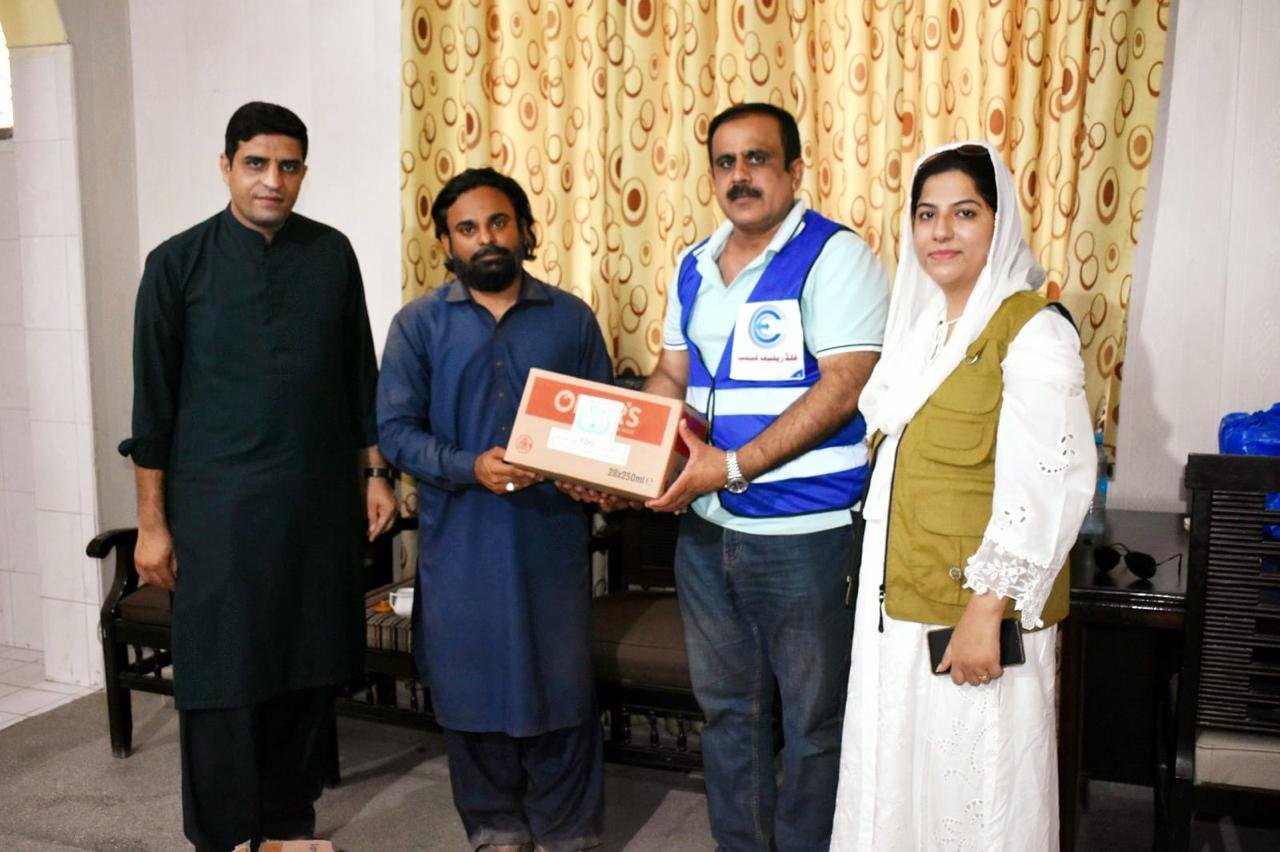

What does a first paycheque actually change? That is the question CEC field staff have been sitting with after spending time with recent graduates of the Women Home-Based Enterprise Development programme in Multan district.
The answers, it turns out, are both more practical and more profound than we expected. Income matters — but it is the social meaning of income that reshapes a household.
A Different Kind of Conversation at the Kitchen Table
For Nadia, 34, the first thing that changed was the conversation. Before completing the stitching and embroidery training, household decisions — what to buy, when to visit relatives, whether a child could attend a school trip — were entirely her husband's domain. She was not consulted.
"The week I brought home my first earnings, my husband asked what I thought about repainting the front room," Nadia told CEC programme staff during a follow-up visit. "He had never asked me that before."
"He had never asked me that before."
— Nadia, programme participant, Multan District
This shift — subtle but significant — was observed across the cohort. Women who reported having income of their own also reported higher rates of participation in household decisions, from daily purchases to education choices for children.
Children Notice Too
Several women described changes in how their children perceived them. Daughters, in particular, were paying attention.
Sameena, 29, who now takes custom embroidery orders for a small retail business in the city, described her eleven-year-old daughter coming to watch her work and asking how to calculate fabric costs. "She tells her friends her mother runs a business," Sameena said. "She is proud. That did not happen before."
What the Data Shows
Across the 47 women in the most recent cohort completion group, post-programme follow-up surveys recorded:
- 91% reported having contributed financially to a household decision within 60 days of first earnings
- 78% reported their children now understood that their mother "works"
- 64% had opened or planned to open an individual savings account within six months
- 38% had already taken a follow-on step — either accepting a new order, hiring a helper, or enrolling in an additional skills module

The Harder Questions
Not all of the stories are straightforward. Several women described initial resistance from husbands or in-laws. In three cases, participants had temporarily stopped working after family pressure, returning to the programme after peer support from other cohort members.
CEC's programme approach includes a household engagement component for this reason — not simply to smooth participation, but to create space for families to understand what women's income means for them collectively, not just individually.
Looking Ahead
Income is the beginning, not the end. The CEC Women Home-Based Enterprise Development programme is now entering a second phase that will include access to group savings mechanisms, linkages to a larger retail and export-facing embroidery supply chain, and a mentorship structure pairing new cohort members with established participants.
The question of what changes when women earn — and what it takes to make those changes stick — will continue to shape how we design the programme going forward.