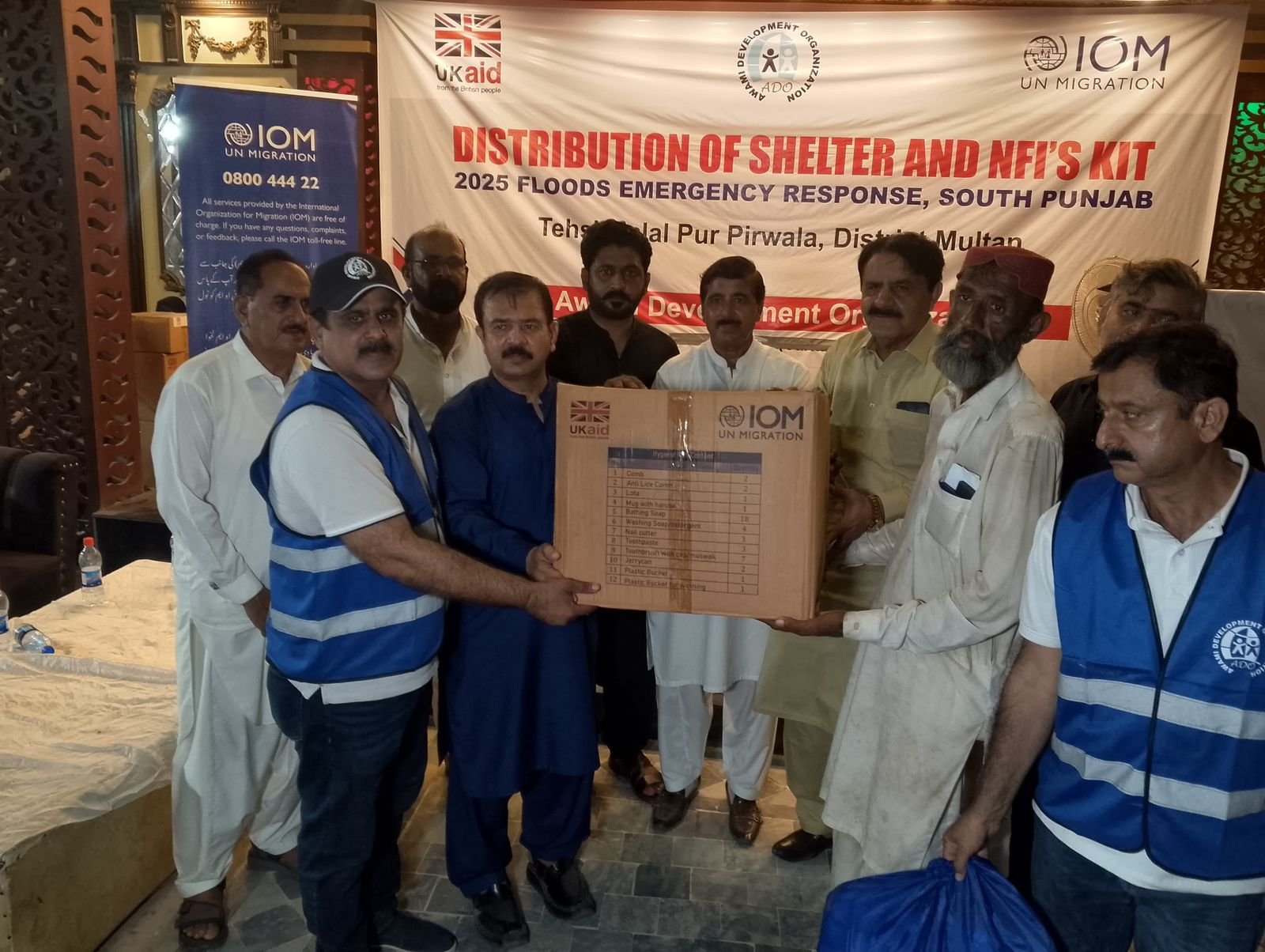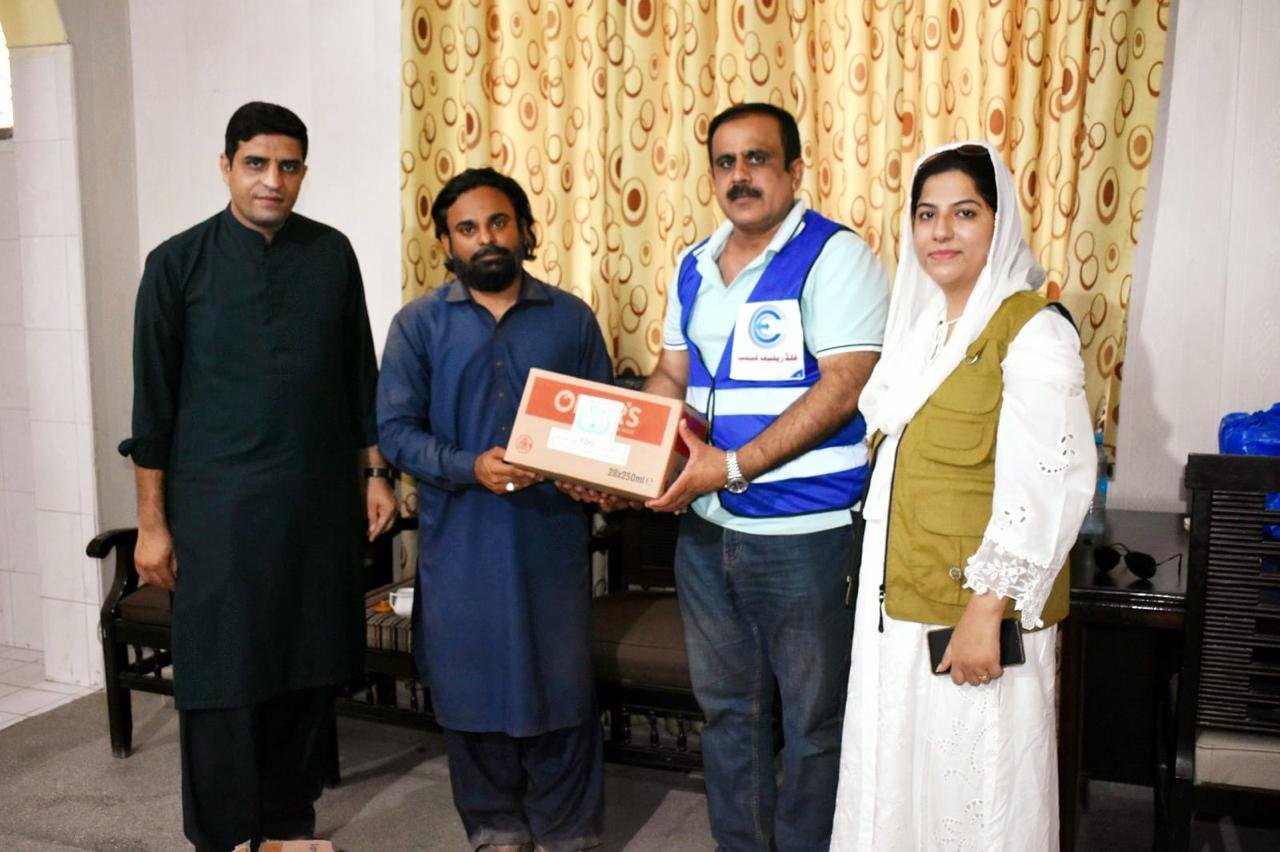
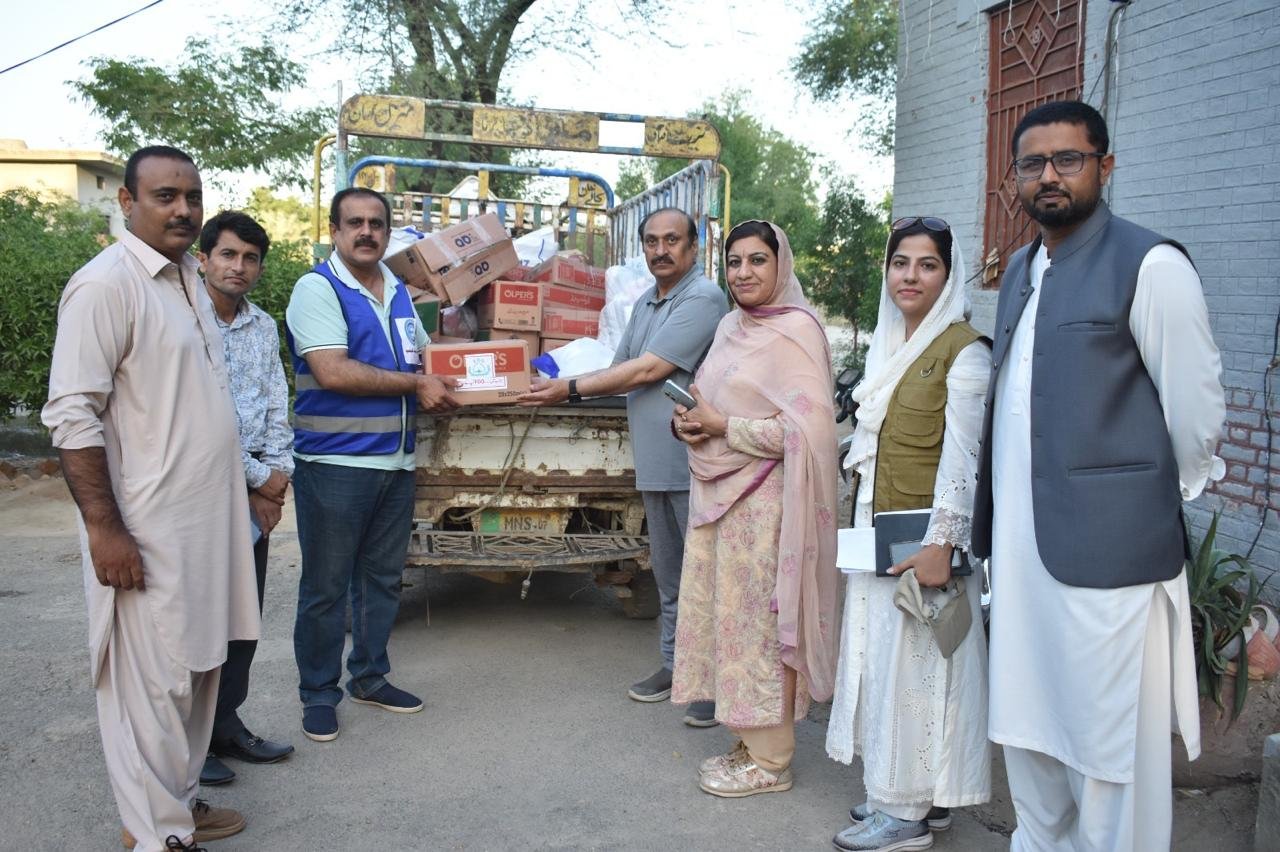
Sixty-two smallholder farmers from five union councils in South Punjab have begun the latest cohort of CEC's Climate-Smart Agriculture programme. The six-month field-school model combines practical on-farm training with peer learning, and is designed to help farmers reduce losses from increasingly erratic weather patterns while improving soil health and yield stability.
What the Programme Covers
The cohort is divided into eight Farmer Field Schools (FFS), each meeting weekly on a rotating host-farm basis. Training covers soil moisture conservation techniques, drought-tolerant crop varieties, integrated pest management, and post-harvest handling to reduce storage losses — one of the most consistent sources of income loss for smallholders in the region.
"In my father's time, you knew when the rains would come. Now you cannot plan. This training is teaching us to plan anyway."
— FFS participant, Lodhran
Why Field Schools Work
The field school model is built around learning by doing. Rather than classroom instruction, participants observe crop development on a demonstration plot, conduct simple experiments comparing conventional and climate-smart practices, and analyse results collectively. Research consistently shows this approach produces more durable behaviour change than lecture-based training.
Early Feedback from Cohort Members
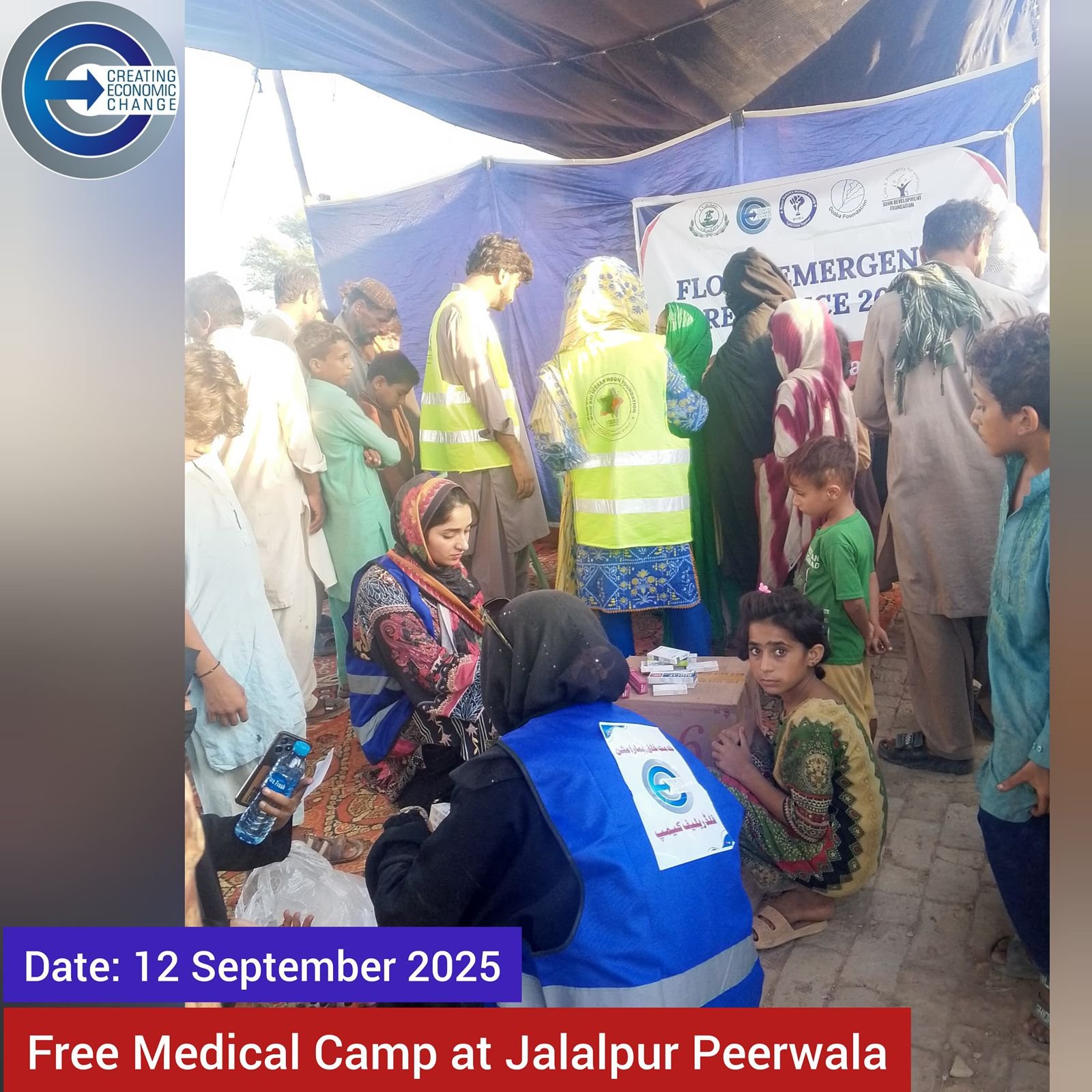
Three weeks in, early feedback from participants points to strong engagement. Several farmers have already begun applying soil moisture conservation techniques ahead of the formal curriculum — an indicator of the kind of self-directed adoption that the programme is designed to generate.
Twelve participants in this cohort are women who farm independently or who manage family plots while male household members work outside agriculture. CEC's programme design intentionally creates space for women's participation in FFS sessions, which has historically been low in conventional extension programmes.
Programme Timeline
- Month 1–2: Soil health, water management, climate-adaptive cropping calendars
- Month 3–4: Pest management, drought-tolerant varieties, micronutrient application
- Month 5: Post-harvest storage, market linkages, record-keeping
- Month 6: Cohort showcase, peer network formation, connection to savings groups
A monitoring and evaluation visit is scheduled for month four to assess adoption rates and identify any adjustments needed for future cohorts. Results will feed into programme design for the next intake, planned for October.