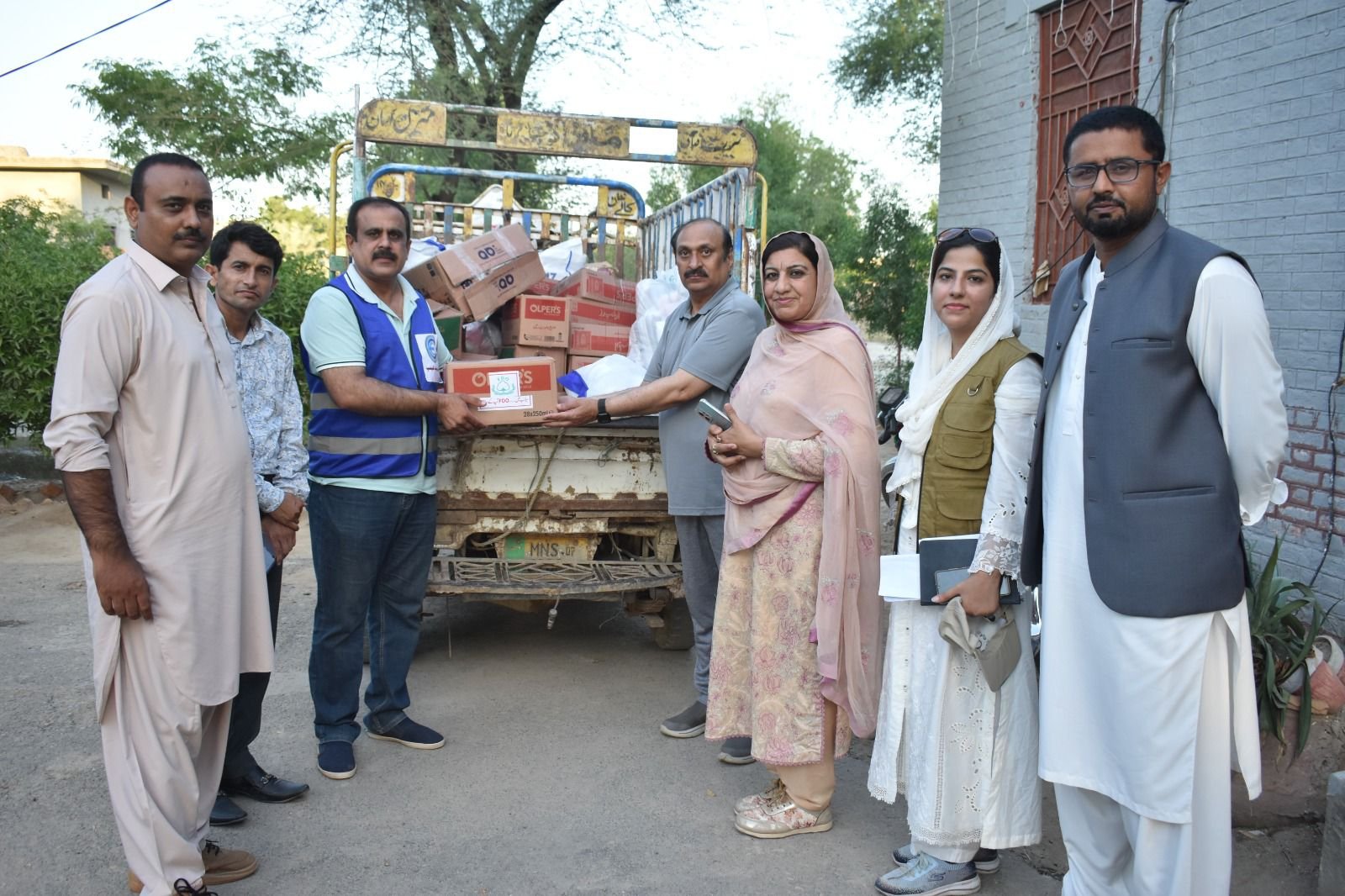
This quarter, CEC's network of trained community health volunteers reached 1,847 households across four union councils — a 23% increase over the same quarter last year. The work is unglamorous and largely invisible from a distance, but it is exactly the kind of quiet, sustained presence that changes health outcomes over time.
What Household Visits Look Like
Each volunteer is responsible for approximately 40 households in their immediate neighbourhood. Visits are monthly, lasting between 20 and 45 minutes. The agenda varies by household need, but typically covers: immunisation status of children under five, hand-washing and water storage practices, maternal health check-in for households with pregnant or recently delivered women, referral to facility care when needed, and basic nutrition messaging.
"People call me. They did not used to do that. They would wait until someone was very sick. Now they call me early."
— Rubina, community health volunteer, four years of service
The Trust Factor
What makes this model work is not the information itself — much of it is available from other sources — but the relationship. Rubina, who has been volunteering for four years, describes how the nature of the visits has changed: "In the beginning, families were polite but uncertain about why I was coming. Now they prepare questions. They want to know things."
Quarterly Numbers
- 1,847 households reached this quarter
- 312 children under five screened for immunisation gaps
- 89 referrals made to facility care
- 47 households receiving first-time visits from the programme
- 14 volunteers active across four union councils
Looking Ahead
CEC is planning to expand the volunteer network by six additional volunteers in Q3, covering two additional union councils. A refresher training for existing volunteers is scheduled for next month, with a particular focus on maternal mental health — an area that has emerged through programme monitoring as significantly underserved and underrecognised in the communities the programme works in.