When river levels rise, roads disappear. In the riverine belt of South Punjab — a stretch of communities along and between the Indus and Chenab rivers — seasonal flooding cuts off entire villages for weeks at a time. Roads become impassable, fields submerge, and supply chains for food, medicine and information simply stop.
This is where CEC field teams have been working for the past six weeks, reaching 34 villages by boat that would otherwise have gone unreached during the flood period.
What the Teams Carried
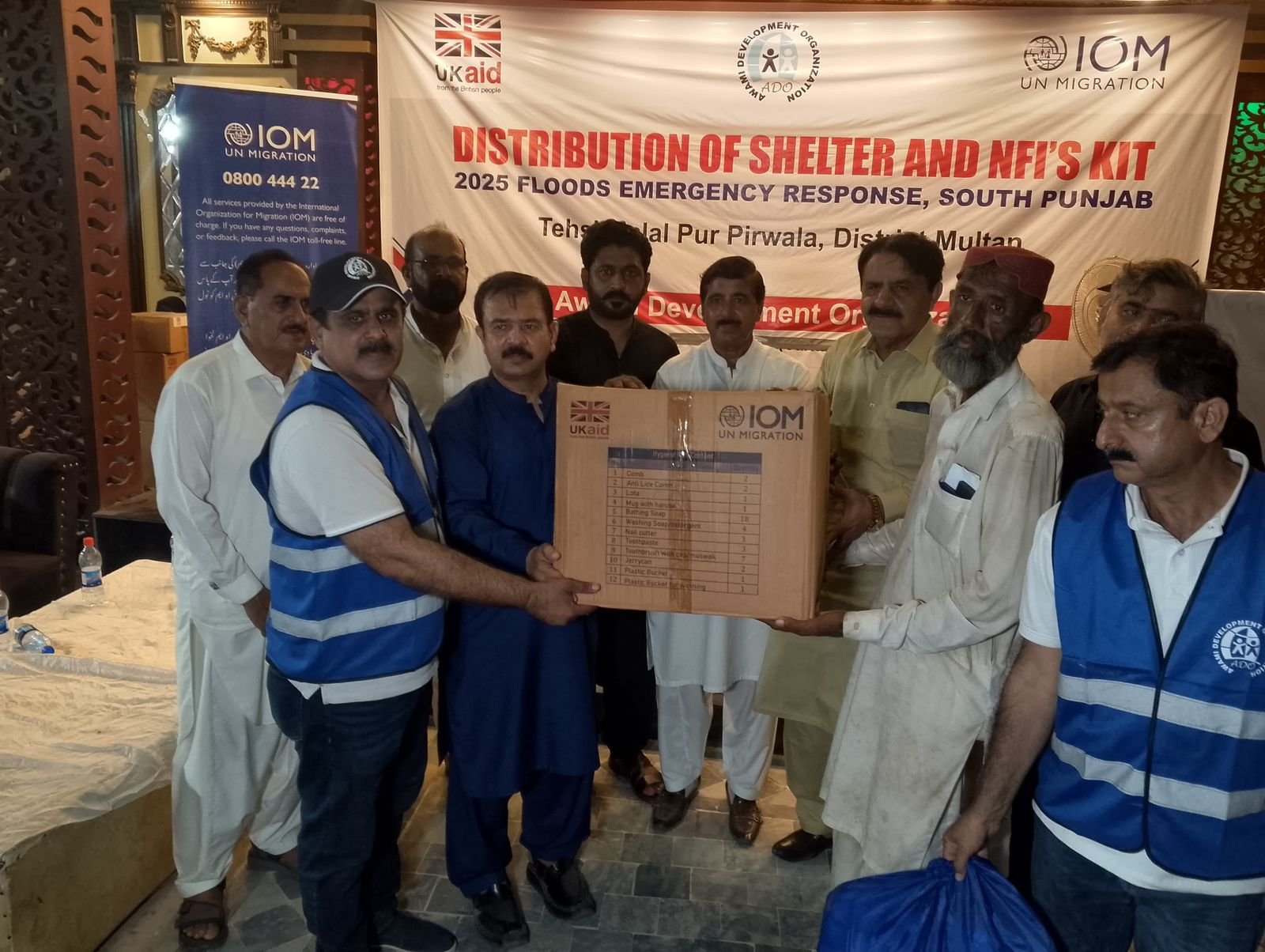
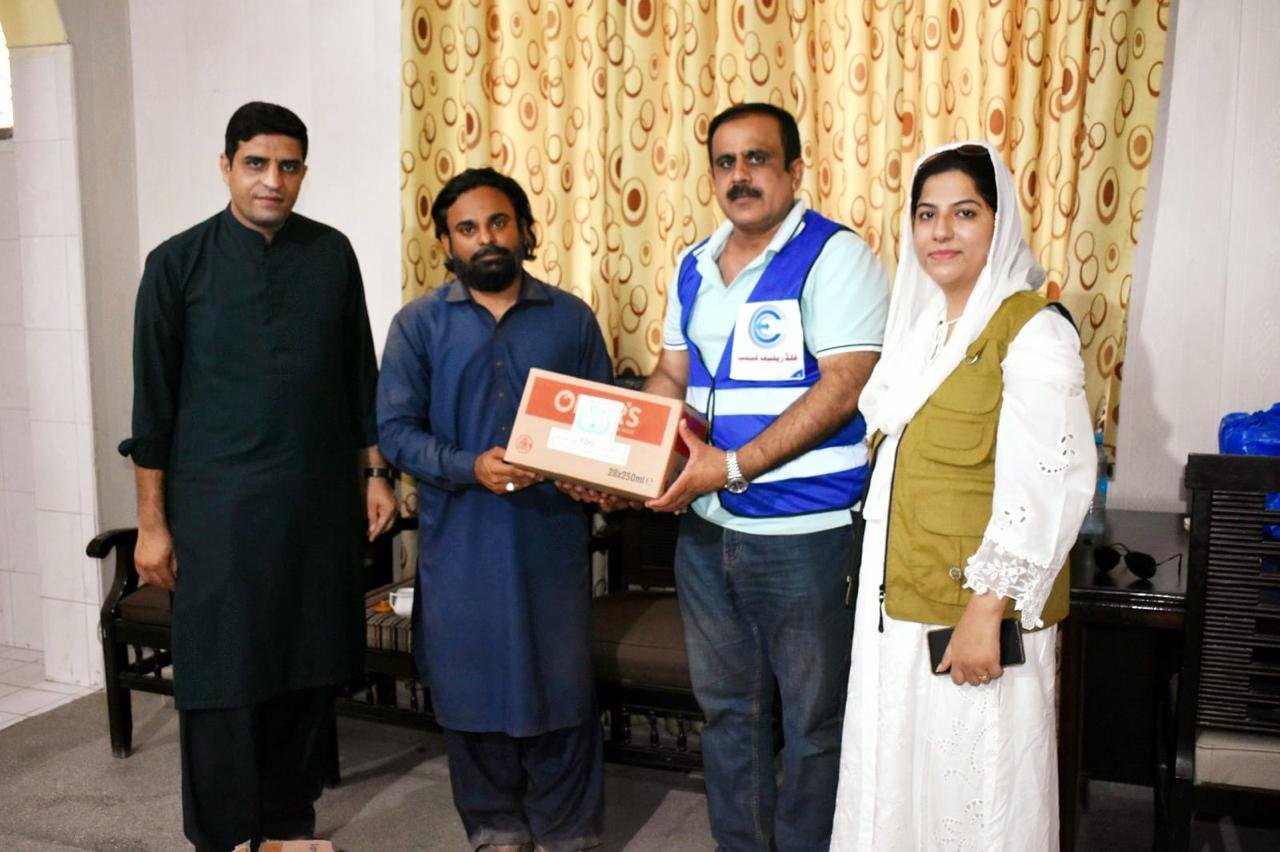
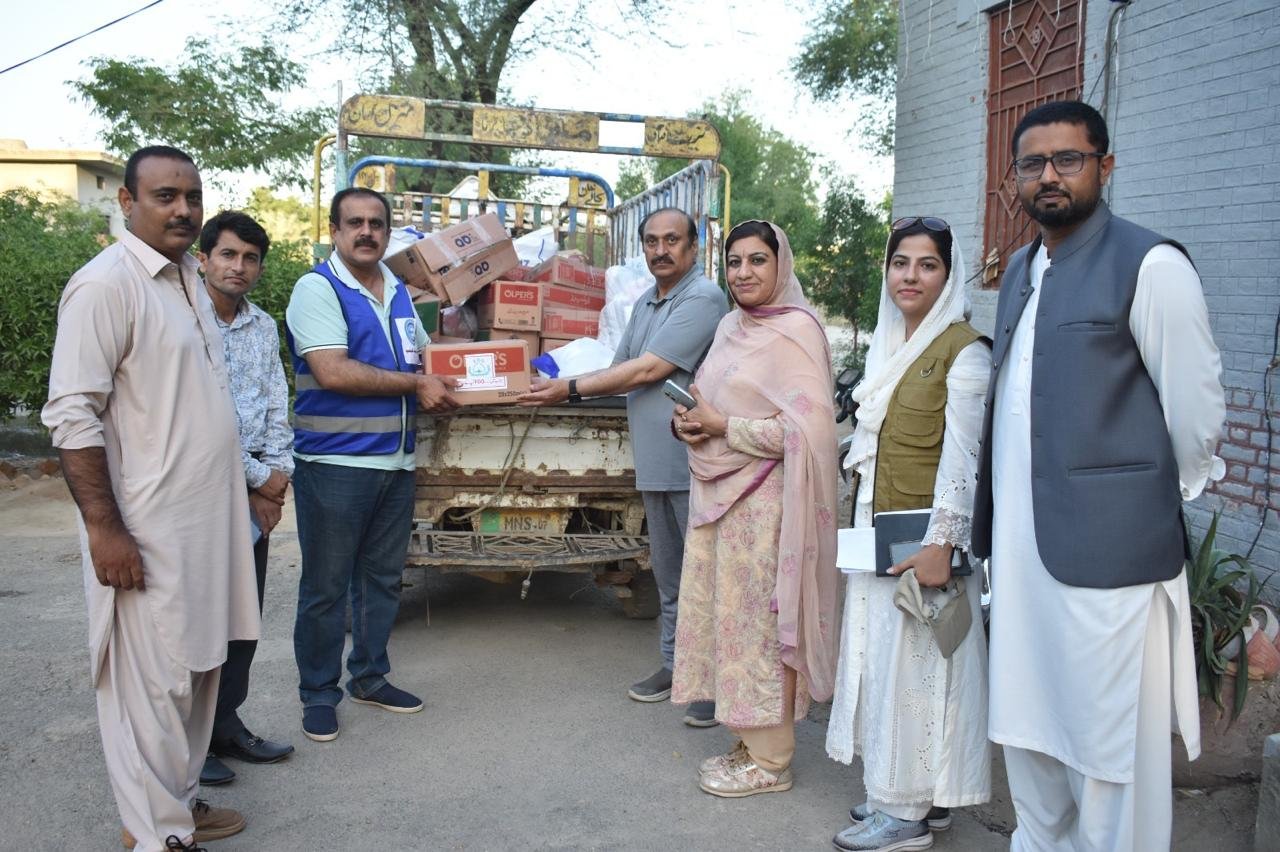
Each boat team consisted of two CEC field staff and a local community mobiliser who knew the specific geography and household relationships in each village. They carried hygiene kits, oral rehydration salts, and printed materials on water safety and diarrhoea prevention — the immediate health priorities during flood inundation. They also carried referral cards for the nearest functioning health facility and a simple screening form for identifying households with pregnant women, infants, or elderly members who might need priority support.
"When we arrived at the third village, people were standing at the water's edge. They had seen the boat coming. They had been waiting."
— CEC field staff member, South Punjab
What They Found
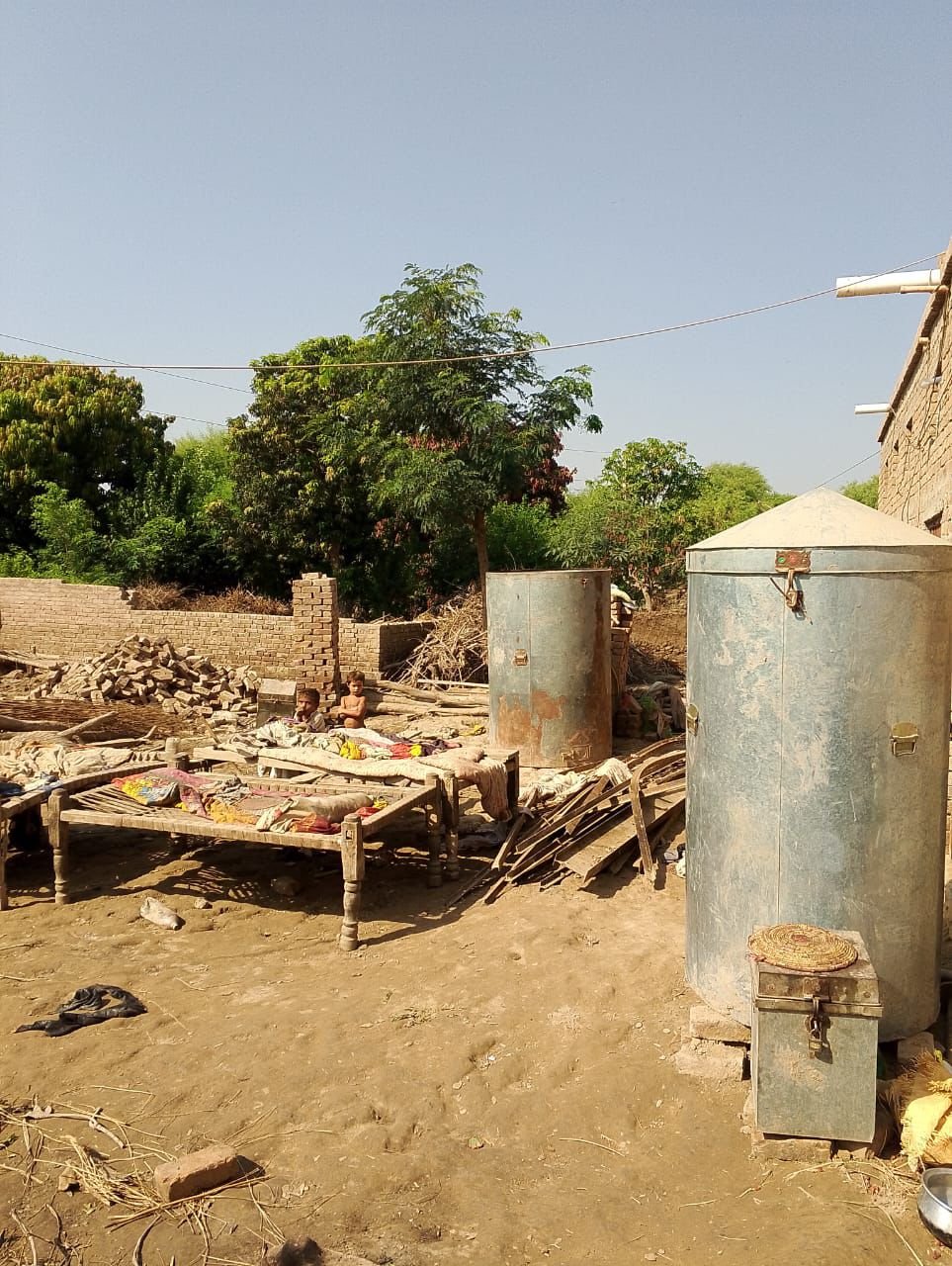
The conditions varied significantly across the 34 villages visited. In some, the flooding had been modest and communities were managing. In others — particularly in lower-lying areas close to the river — inundation was severe, with families living on elevated platforms inside partially submerged homes.
- 34 villages reached by boat
- 2,100+ individuals reached with hygiene and health information
- 412 hygiene kits distributed
- 89 households identified with priority needs (pregnant women, infants, elderly)
- 17 referrals made to emergency health services
The Harder Problem
Food. By the time CEC teams were reaching some communities in their third week of coverage, food stocks in many households were critically depleted. CEC's humanitarian capacity does not extend to large-scale food provision, and making referrals to government relief systems in a context where roads are cut off is often a way of telling families to wait for something that may not arrive in time.
Looking Ahead: Resilience, Not Just Response
The experience of this flood season is reinforcing CEC's view that riverine communities need pre-positioned resilience infrastructure — not just better response. That means elevated community stores, trained local first responders, and savings groups that can function as household shock absorbers before external relief arrives. These are goals that the programme is working toward, but that require consistent, multi-year investment to achieve.
Field teams continue to work in the area. An updated report will be shared once water levels have receded and a fuller assessment of household recovery is possible.